The Ultimate Guide to Choosing Your Perfect Backpack
Picture this: you're heading out for the day – maybe commuting to work, hiking local trails, or exploring a new city. Your backpack becomes an essential partner, carrying your world comfortably on your shoulders. But not any ordinary backpack will do. Finding the right one is crucial for comfort, organization, and durability.
So, what makes a great backpack? It starts with understanding how you plan to use it.
- Daily Driver: Need a compact, stylish pack for work or school? Prioritize a slim profile, a secure laptop compartment (often padded and suspended), internal organization pockets for essentials like keys and pens, and water-resistant materials. Comfortable straps and back padding are a must for daily schlepping.
- Adventure Ready: For hiking, camping, or heavy travel, focus on supportive torsos. Look for a sturdy backpack with an adjustable, padded hip belt to transfer significant weight from your shoulders to your hips. Breathable and ergonomic shoulder straps and back panels prevent sweat build-up during strenuous activity. Features like hydration bladder compatibility, external attachments for gear (like trekking poles or a tent), and durable, water-resistant fabrics (like nylon) are key.
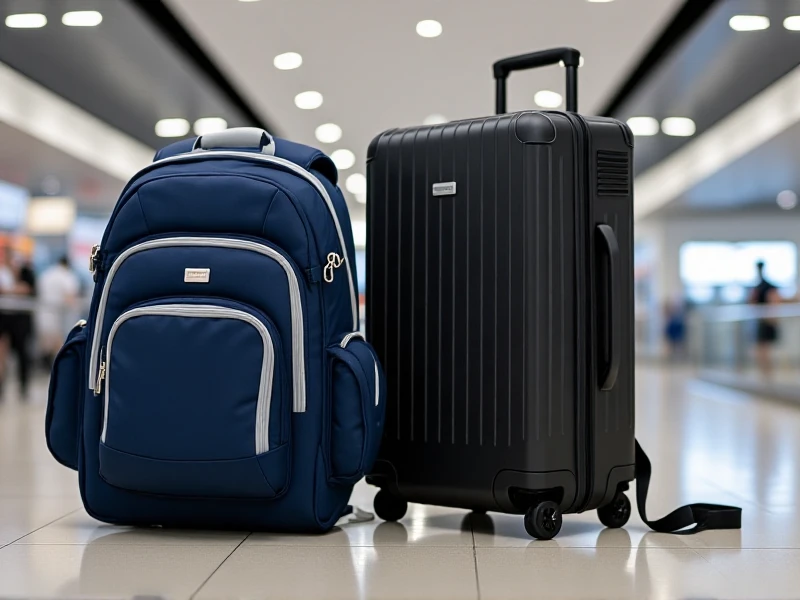
- Carry-On Champ: Travel backpacks need to fit airline limits while maximizing space. Compression straps are vital to cinch contents down. Consider clamshell openings for easy packing access, multiple compartments for quick organization, and lockable zippers for security.
Material Matters: The fabric defines longevity. High-denier nylon (e.g., 300D-1000D) offers excellent abrasion resistance. Ripstop nylon prevents small tears from spreading. Polyester is common for lightweight everyday packs and offers better UV resistance. For weather protection, look for waterproof coatings (like TPU lamination) or highly water-resistant fabrics with taped seams. DWR coatings provide a water-repellent finish.
Getting the Size Right: Size is crucial. Daypacks run 20-30 liters, perfect for daily essentials or short hikes. Multipurpose packs (30-50 liters) handle overnight trips or serious day hikes. Extended travel or trekking needs a sturdy backpack in the 50-70 liter range. Always try on packs loaded with weight. Ensure the torso length fits – the padded hip belt should rest on your hip bones, not above or below them.
Key Features to Consider:
- Comfort: Padding on back, shoulders, and hip belts; load lifters adjust fit for taller frames.
- Organization: Internal sleeves, zippered pockets, mesh pouches, key clips.
- Access: Top-loaders, panel loaders, or clamshell styles.
- Pockets: Water bottle holders (side mesh pockets are best for quick access), stretchy outer pockets, zippered compartments.
- Durability: Strong stitching, bar tacking at stress points, robust zippers (like YKK), quality buckles.
Beyond the Basics: Care for your backpack! Keep it packed correctly with heavy items close to your back. Clean it regularly, especially after adventures – a simple wipe-down for everyday grime, a gentle cold water wash for deep cleaning. Air dry thoroughly. For odors, try a baking soda paste lightly applied.
Choosing the perfect backpack is no small feat. However, by carefully considering your lifestyle, prioritizing comfort and features tailored to your needs, and investing in lasting quality materials, you'll find a trusty companion for all your journeys. What features are absolute non-negotiables for your perfect pack?